
Almost everyone might have heard of Bali, the indonesian Insland that …Sun worshippers long for idyllic white sandy beaches and crystal-clear waters. Divers can’t wait to see the exotic underwater world. Explorers want to explore volcanoes, jungles, and Hindu temples. Foodies savor local dishes and delicacies. Yoga enthusiasts find themselves and recharge their batteries. The tropical climate with a pleasant average annual temperature of 30 degrees Celsius.
Although the main religion in Indonesia is Islam, most people in Bali are Hindu. Therefore, in addition to lively markets, tropical nature, and the best surfing spots, the attractions also include religious sites and ceremonies. Their daily interaction with tourists makes the Balinese open and tolerant – even when it comes to Western clothing styles and behavior.
While the interior of the island is still more authentic, the touristy south is bustling with activity. The small island is already densely populated: The Balinese population currently numbers around 4.5 million. That’s 750 people per square kilometer.
For comparison: In Germany, the average population is around 230 people per square kilometer. Especially in the popular resorts of Kuta, Denpasar, Ubud, and Jimbaran, the streets are bustling. There, tourists from all over the world
When I arrives in Bali, I started immidiatly to do what all the Bali tourists do. I went to surving spots, to waterfalls and amzing tempke (hier jeweils Beispiele).
I would like to say one thing right away: Bali is wonderful place with its nature, the culture of its people and its unique atmosphere. A near-paradise on earth…at least, that’s what the island once seemed to be. But despite all the beautiful facades, I quickly realized how uncomfortable I felt and how deceptive this paradisiacal appearance was. So, instead of telling you about the amazing things there are to discover in Bali, I want to tell you why I’ll never come back here:
1. Bali is getting more and more crowded
The densely populated island receives more visitors every year. In 2017, 5.6 million guests from all over the world came to the island. That’s more than the entire population. Compared to the previous year, there were about 17% more tourists – a huge increase. In addition, the crowds are not evenly distributed across the land area. Visitors, newcomers, and locals are crammed into the tourist centers in the south, especially Kuta. The large number of people in such a small space has consequences for the environment, the landscape, and the population.
2. Bali has a garbage problem
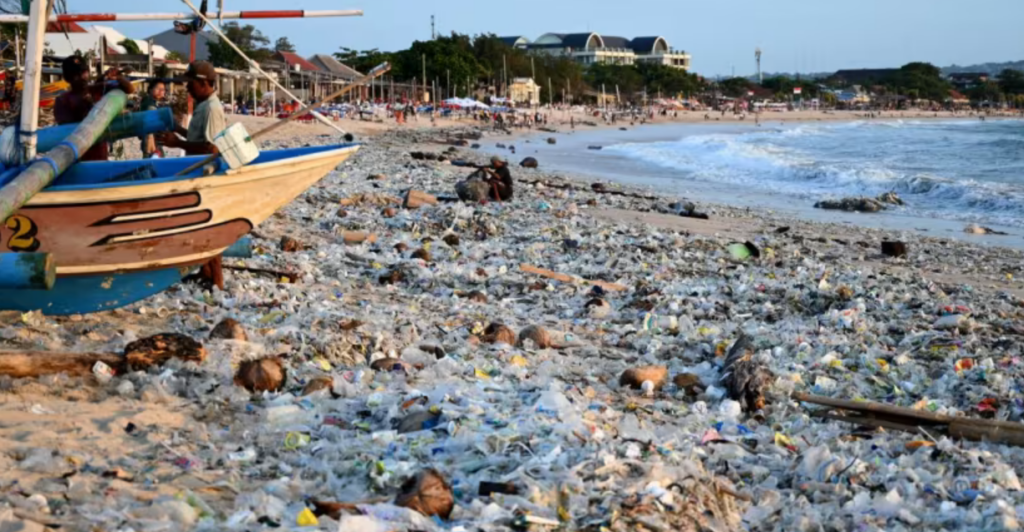
Other popular holiday destinations are already taking drastic measures to allow flora and fauna to recover. In Thailand and the Philippines, for example, authorities are closing popular beaches for regeneration purposes. Bali is also suffering a similar fate. Garbage is currently piling up in many places – no wonder, given the millions of people on the relatively small island. The waste disposal infrastructure is groaning under the tons of waste produced by the enormous number of tourists, including in the large star-rated resorts, and can no longer keep up with the cleanup. The consequences are dirty beaches, plastic pollution in the oceans, and smoldering landfills. But the pollution in the ocean doesn’t just spoil your personal swimming pleasure. Over time, the plastic particles in the ocean also end up in the food chain of marine animals. Be aware of this when eating local fish, for example. The sight of pollution in the streets, streams, forests, and beaches shocked me deeply. The largest portion of the garbage was made up of food packaging, plastic cups, and plastic bags – leftovers simply abandoned by beachgoers. There’s a real risk that the masses of waste will change life in Bali in the long term. Changing this once paradise to its worst.
3. It’s one of the most climate-damaging trips
While New Zealand or Australia usually evoke longer trips of at least four to six weeks, and many plan a stay of several months or even a year, Bali is different. Thanks to cheap flights, you can easily fly there for 10 days or two weeks, even if the flight time can take 24-30 hours each way.
This trip emits a total of 8,570 kg of CO2, which is three and a half times what per capita statistics estimate you should consume in a year. And with this CO2 consumption, you haven’t even sat in another vehicle, eaten or drunk anything else, or done anything else. If you wanted to offset your trip through climate protection projects, you could do so with a donation of €200.
But when it comes to the environment, it’s not just about the flight. This island has to import almost everything—everything that over 4 million people use and consume annually. This, in turn, causes vast amounts of greenhouse gas emissions from ships and aircraft—and this in a region where environmental considerations are generally ignored due to a lack of knowledge or can only be ignored for economic reasons.
4. Animal cruelty as far as the eye can see
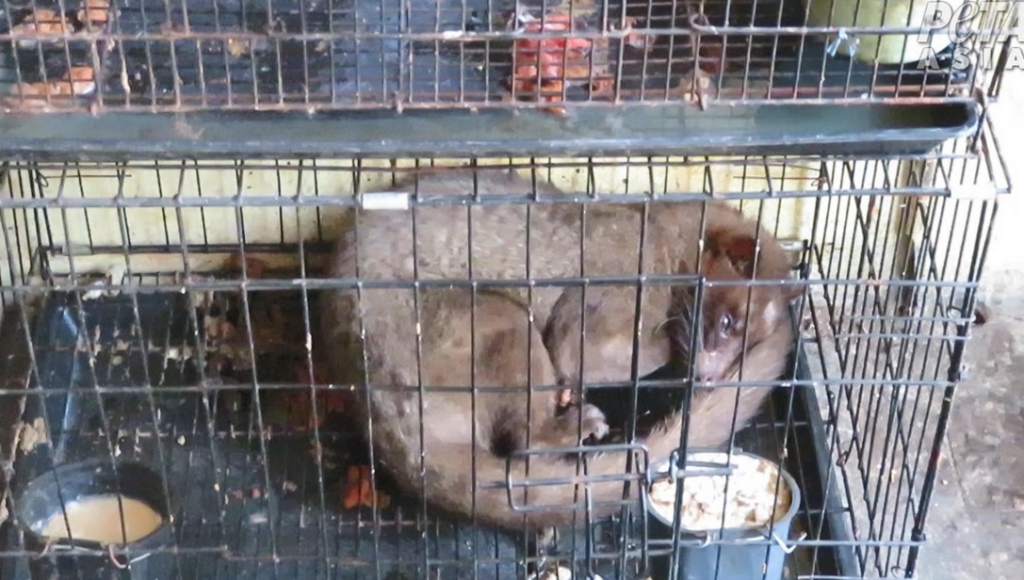
If you book a day tour that covers the island’s most important sights, you’ll likely also be taken to a coffee farm where you can sample the exceptional civet coffee. These cute, feline predators spend their entire lives in small wire cages and are fed exclusively ripe coffee cherries. Their droppings are then used to produce the world’s most expensive coffee.
Many Asian countries don’t have much to do with animal welfare—and sometimes we don’t either. One might even understand the people’s concerns, because it’s a source of income and potentially ensures their survival. Nevertheless, it comes at the expense of a wild animal and living being that should have just as much right to freedom as we do. In the elephant camp, many elephants are kept in captivity around the clock on short chains or restrained with iron bars.
Sadly, on Bali’s beaches and in the ocean, large numbers of birds, fish, and other marine animals die in nets or from entanglement. Birds starve to death because their stomachs are too full to digest the plastic. During peak season, approximately 40-60 sharks are caught and killed daily for tourists in Bali, solely to offer shark fin soup. Fishermen simply cut off the fins at sea and throw the shark back into the sea.
Conclusion
Therefore, I decided to no longer be part of this form of mass tourism on the island. I cannot and will not take responsibility for destroying this paradise so sustainably. and urgently needs to get rid of these hordes of tourists. Nature needs time to regenerate, and people need space to develop and live their own culture and daily lives without having to adapt to the needs of tourists.
Greetings, Ada 🙂